Preparing Your Home Before Severe Weather Strikes
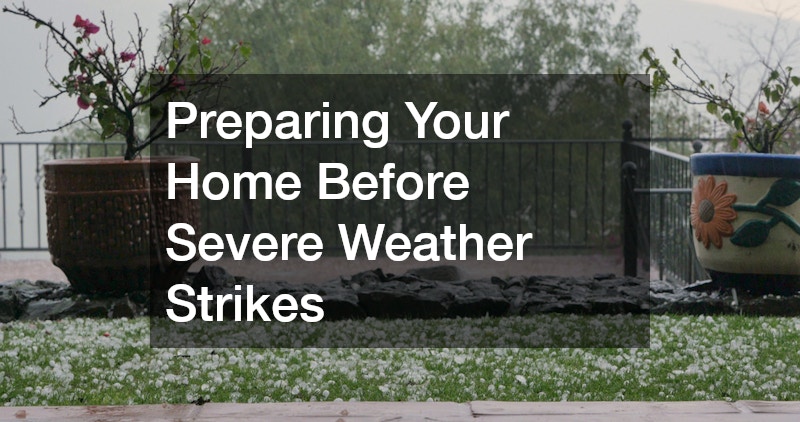
Every season brings different weather challenges for homeowners. Heavy rain, high winds, hail, snow, freezing temperatures, and extreme heat can all damage a property over time. While no home is completely immune to weather-related wear and tear, smart preventative maintenance can dramatically reduce the risk of costly repairs and long-term structural problems.
Many homeowners wait until there is visible damage before taking action. Unfortunately, leaks, mold, siding deterioration, and foundation issues often begin long before they become obvious. A proactive approach helps identify vulnerable areas early and allows homeowners to strengthen their homes before storms arrive.
Protecting your property from harsh weather involves more than simply patching problems as they appear. It requires regular inspections, durable exterior materials, effective drainage systems, and careful planning throughout the year. From reinforcing the roof to improving landscaping and sealing entry points, each improvement adds another layer of defense against the elements.
The following strategies will help homeowners better prepare for changing weather conditions while improving the safety, durability, and efficiency of their homes.
Schedule Roof Inspections Before Each Major Season
Your roof is the first line of defense against rain, snow, hail, and wind, which makes routine inspections one of the most important preventative measures a homeowner can take. Small roofing issues can quickly turn into expensive repairs if they are ignored during severe weather seasons.
Homeowners should inspect their roofs at least twice a year, ideally during spring and fall. Look for missing shingles, cracked flashing, dark streaks, sagging areas, and signs of water damage in the attic. Even small vulnerabilities can allow moisture to enter the home during heavy storms.
Professional roofers can identify damage that may not be visible from the ground. They often spot weakened decking, deteriorated underlayment, or loose flashing before those problems escalate. Routine inspections are especially important after strong storms or hail events because impact damage is not always immediately noticeable.
In some cases, it is beneficial to work with a roof specialist who focuses on structural assessments and advanced roofing evaluations. Older homes or properties located in areas with frequent storms may require more detailed inspections to ensure the roofing system remains weather resistant.
Homeowners should also pay close attention to attic ventilation and insulation. Poor airflow can trap moisture and heat, causing shingles to deteriorate faster and increasing the likelihood of ice dams during winter. Improving ventilation extends roof life while helping the home maintain consistent indoor temperatures year-round.
Taking preventative action before severe weather arrives is far more affordable than dealing with emergency repairs after a storm causes extensive damage.
Improve Drainage to Keep Water Away From the Home
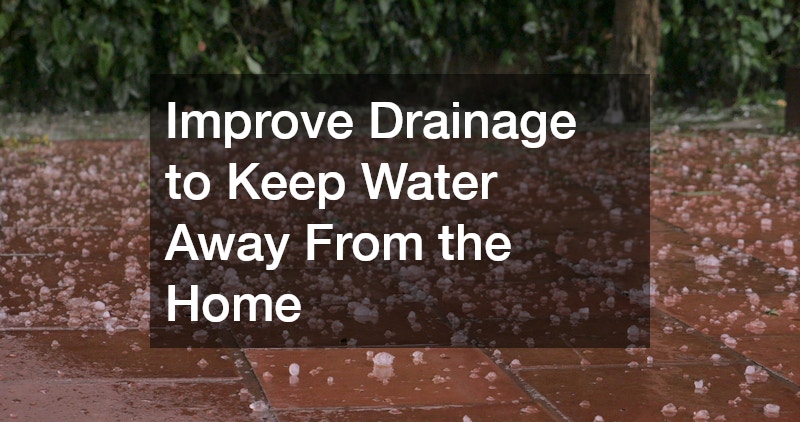
Water damage is one of the most common and expensive problems homeowners face during storms. Poor drainage can lead to roof leaks, basement flooding, siding deterioration, and foundation cracks. An effective drainage system protects the entire structure by directing water safely away from the property.
Gutters play a critical role in this process, but they only work properly when they remain clear of debris. Leaves, twigs, dirt, and pine needles can quickly clog gutters and downspouts, causing water to overflow and collect near the foundation.
Installing gutter guards helps reduce maintenance while improving drainage performance throughout the year. These systems prevent debris buildup while allowing rainwater to flow freely through the gutters. Homeowners in heavily wooded areas often benefit the most from this upgrade because clogged gutters can develop rapidly during fall and storm seasons.
Working with an experienced gutter contractor can also improve the overall effectiveness of the drainage system. Professionals can determine whether gutters are properly pitched, large enough to handle heavy rainfall, and securely attached to the home. Improper installation can lead to standing water, sagging sections, and overflow issues during major storms.
Downspouts should direct water several feet away from the foundation to reduce erosion and basement moisture problems. Extensions or underground drainage systems may be necessary in areas with poor grading or frequent flooding.
Regular gutter cleaning remains important even when protective systems are installed. Homeowners should inspect gutters seasonally and after large storms to ensure water continues flowing properly.
Upgrade Exterior Materials for Better Weather Resistance
The exterior of a home absorbs constant exposure to sun, moisture, wind, and temperature fluctuations. Choosing durable materials can significantly improve weather protection while reducing long-term maintenance costs.
Siding serves as a protective barrier against moisture intrusion and air leaks. Cracked, warped, or loose panels can allow water to penetrate behind the exterior walls, leading to mold growth and structural deterioration over time.
Working with a trusted siding company can help homeowners select materials designed for their local climate conditions. Fiber cement siding, engineered wood, and high-quality vinyl products are popular choices because they offer strong resistance against moisture, impact damage, and temperature changes.
Proper installation is equally important. Even premium materials can fail prematurely if gaps, seams, or flashing are installed incorrectly. Experienced siding installers understand how to properly seal vulnerable areas around windows, doors, and trim to prevent water intrusion.
Modern siding systems also improve energy efficiency by reducing drafts and improving insulation performance. This helps homeowners maintain comfortable indoor temperatures during both hot summers and freezing winters.
After severe weather, homeowners should inspect the siding carefully for cracks, loose panels, dents, or signs of moisture infiltration. Addressing small issues early prevents more serious structural damage from developing later.
Reinforce Vulnerable Areas Around the Roofline
While most homeowners focus on shingles, other roofline components are equally important when protecting a home from severe weather. Chimneys, flashing, vents, and roof penetrations are common weak points where leaks often begin.
The area surrounding the chimney is especially vulnerable because flashing can deteriorate over time due to repeated exposure to moisture and temperature changes. Once flashing begins to fail, water can seep beneath the roofing materials and damage the structure underneath.
Scheduling chimney repair before winter or storm season can prevent moisture intrusion and freeze-thaw damage. Cracked mortar joints, leaning chimneys, and deteriorated brickwork should never be ignored because they can worsen rapidly during harsh weather conditions.
Professional roofing services often include inspections of flashing, vents, skylights, and other vulnerable roof penetrations. These areas are frequently overlooked during routine maintenance even though they play a major role in preventing leaks.
Homeowners should also inspect soffits and fascia boards for signs of rot or peeling paint. Damaged fascia can weaken gutter attachment points, while compromised soffits may allow moisture or pests into the attic.
Applying waterproof sealants around exposed areas can add another layer of protection, but sealants should not replace proper repairs when structural damage is present. Investing in preventative maintenance helps homeowners avoid emergency water damage during major storms.
Choose Long-Lasting Roofing Materials and Eco-Friendly Options
As roofs age, they become less effective at protecting homes from wind, hail, and moisture. Replacing deteriorated roofing materials before failure occurs is one of the smartest ways to reduce weather-related risks.
Modern roofing products are designed to withstand harsher environmental conditions than older materials. Impact-resistant shingles, improved synthetic underlayments, and enhanced waterproof barriers all contribute to better storm protection.
Homeowners replacing older roofs may also want to consider shingle recycling during the installation process. Asphalt shingles contribute significant waste to landfills, but many recycling programs now convert old shingles into materials used for road construction and other applications. Recycling helps reduce environmental impact while supporting more sustainable construction practices.
Choosing high-quality roofing materials also improves durability and long-term performance. Architectural shingles, metal roofing systems, and synthetic materials often offer better resistance against high winds, hail, and UV exposure than traditional low-cost products.
Ventilation remains another critical factor in roof longevity. Heat and moisture trapped inside the attic can accelerate material deterioration and increase energy costs. Proper airflow helps regulate attic temperatures while reducing condensation problems.
Homeowners living in storm-prone regions should ask contractors about impact ratings, wind resistance warranties, and regional building code requirements before selecting new roofing materials.
Investing in stronger, more durable systems today can prevent repeated repair costs in the future.
Seal Windows, Doors, and Other Entry Points
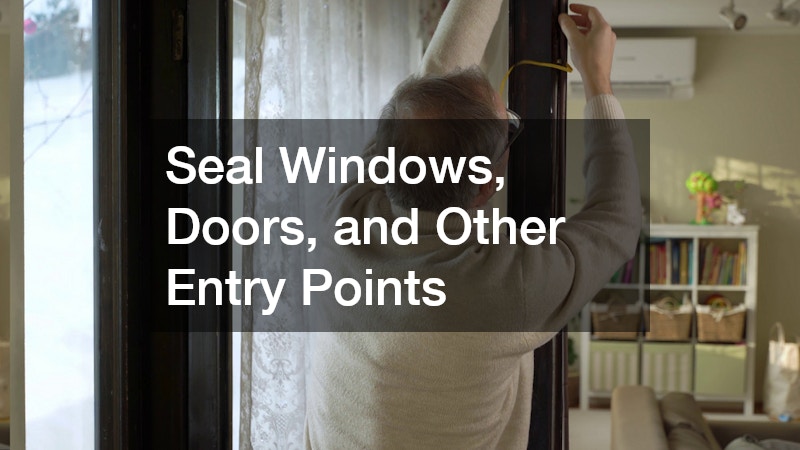
Even a well-maintained roof cannot fully protect a home if windows and doors allow air and moisture inside. Small gaps around openings often lead to drafts, water intrusion, and rising energy bills.
Weather stripping and caulking are simple but highly effective ways to improve protection. Homeowners should inspect seals around windows and doors annually and replace any cracked or worn materials immediately.
Impact-resistant windows provide additional protection in areas prone to hurricanes, hailstorms, or flying debris. These windows are designed with reinforced glass and stronger frames to withstand severe weather conditions.
Doors should also be inspected carefully. Exterior doors that no longer close tightly may allow moisture and cold air into the home. Reinforcing garage doors is especially important because strong winds can cause garage failures that increase internal pressure and potentially damage the roof.
Basements and crawl spaces should not be overlooked either. Small foundation cracks can allow water seepage during heavy rainfall. Waterproof coatings and proper drainage improvements can reduce moisture issues in these areas.
Installing smart leak detectors near appliances, water heaters, and vulnerable plumbing areas provides additional protection by alerting homeowners to leaks before major damage occurs.
Maintain Landscaping to Reduce Storm Risks
Landscaping can either protect a property or increase the risk of weather-related damage, depending on how it is maintained. Trees, drainage patterns, and yard grading all affect how a home responds to storms.
Overgrown trees are one of the most common causes of storm damage. Weak or dead branches can fall onto roofs, vehicles, or power lines during high winds. Regular trimming reduces this risk while improving overall tree health.
Homeowners should also monitor trees near the foundation. Large root systems can contribute to foundation movement and drainage issues over time.
Proper grading is equally important for directing water away from the home. Yards that slope toward the foundation often experience standing water problems during heavy rainfall. Regrading or installing drainage solutions can help prevent basement flooding and erosion.
Landscaping materials such as gravel beds, retaining walls, and drainage swales can also improve water management throughout the property. Native plants with strong root systems are often more resistant to erosion and flooding than shallow-rooted species.
Outdoor furniture, decorations, and loose equipment should always be secured before severe storms arrive. Flying debris can break windows, damage siding, and create dangerous conditions during high winds.
A well-maintained yard not only improves curb appeal but also strengthens the home’s overall defense against harsh weather.
Create a Long-Term Weather Protection Plan
Weatherproofing a home should not be treated as a one-time project. Ongoing maintenance and planning are essential for keeping a property protected year after year.
Creating a seasonal maintenance checklist helps homeowners stay organized and proactive. Tasks such as inspecting the roof, cleaning gutters, sealing windows, testing sump pumps, and trimming trees should become part of a regular schedule.
Emergency preparedness is also important. Every household should maintain basic emergency supplies, including flashlights, batteries, bottled water, first aid kits, and backup charging devices. Homeowners in hurricane or tornado-prone areas may also need generators or storm shelters.
Documenting the condition of the home can simplify insurance claims after severe weather events. Taking photos of the roof, siding, windows, and major systems creates a record that may help support future claims if damage occurs.
Homeowners should also review their insurance policies regularly to ensure they have adequate coverage for regional weather risks such as flooding, hail, or wind damage.
Budgeting for preventative maintenance is another valuable strategy. Small annual investments in inspections and repairs often prevent far more expensive emergency restoration costs later.
When major storms occur, homeowners should schedule professional inspections afterward, even if no visible damage is immediately apparent. Hidden issues can develop slowly and become more serious over time if left untreated.
Building a Stronger and Safer Home for Every Season
Protecting a home from severe weather requires a combination of preparation, maintenance, and smart upgrades. While storms and seasonal changes are unavoidable, homeowners can significantly reduce the risk of costly damage by strengthening vulnerable areas before problems occur.
Routine inspections, effective drainage systems, durable exterior materials, and proactive repairs all contribute to a safer and more resilient property. Small improvements made consistently over time often provide the greatest long-term benefits.
By taking preventative action now, homeowners can improve energy efficiency, extend the lifespan of major systems, reduce repair costs, and gain greater peace of mind during severe weather seasons. A well-maintained home is better equipped to handle whatever nature brings throughout the year.