
Starting a home design project without clear priorities wastes time and money. Begin by listing what matters most: flexible living space for family time, quiet work zones, outdoor connection, energy efficiency, or low-maintenance finishes. Rank those priorities so trade-offs are easier when budget or site constraints appear. Ask everyone who will live in the house what matters to them — you’ll detect patterns that guide layout and finish choices.
A detailed priority list helps you brief any professionals you hire. For example, if longevity and low upkeep top your list, you’ll choose durable surfaces and simplified systems. If entertaining is the focus, open sightlines and service flow from kitchen to outdoor areas become essential. This clarity also helps when interviewing vendors — you can ask targeted questions about past projects that match your priorities.
If you’re planning a ground-up project, consider consulting a dedicated planner or a custom home builder early. Good builders can translate priorities into feasible budgets and phasing plans. They’ll point out where priority-driven spending delivers the most long-term value and where you can safely economize.
Be specific — “more storage” is useful, but “a pantry with shelving to hold small appliances and a 3-shelf pull-out for baking supplies” is actionable. The more precise your list, the fewer surprises later. That level of clarity protects the schedule and often improves the final product.
Finally, set a realistic budget range and a top-end maximum you won’t exceed. Priorities and budget together create guardrails that keep decisions consistent and hurry-free.
Plan Rooms Around How You Live
Design homes by use, not by trends. Think through how each room will be used day-to-day. Will the kitchen host family breakfasts and weekend dinner parties? Should the living area be a formal sitting room or a relaxed media hub? Designing rooms around actual activities — cooking, homework, entertaining, quiet reading — leads to smarter sizing, lighting, and storage choices.
Good flow is about adjacency: place the mudroom near entries, tuck utility spaces close to service access, and situate the kitchen to serve both dining and outdoor entertaining. Consider sightlines: a kitchen that opens to the yard lets parents supervise kids while preparing meals. Bedrooms need separation from noisy zones, and home offices benefit from natural light and privacy.
Designers and builders often recommend flexible rooms that adapt. A guest room can double as a home office, and a formal dining space can become a craft room. Think about built-in solutions: window seats with storage, integrated desk nooks, and closets designed around how you store clothing and gear.
As you plan, test layouts physically — tape furniture footprints on the floor to feel scale and circulation. This low-effort technique reveals cramped corners or awkward walkways before anything is built. If you have an existing structure, small changes to door locations or wall thickness often improve flow dramatically.
When planning mechanicals, include realistic service corridors and access panels for maintenance. The right professional can help design for both daily comfort and long-term function, and if your home will be heated seasonally, coordinating with home heating oils providers or HVAC pros in early design avoids costly system changes later.
Create a Kitchen That Works Every Day
The kitchen is the daily engine room of a home. Start by designing work zones — prep, cook, clean, store — and make sure key items sit near their work area. A well-located sink, a purposeful prep space beside the oven, and a pantry area for food staging reduce fuss when cooking or hosting.
Counter height and depth matter. Standard counters suit many people, but customizing work heights (or adding a raised bar and a lower prep counter) increases ergonomic comfort. Select surfaces for durability and ease of cleaning; heavy-use countertops and splash zones should resist staining and impact. Integrate appliance niches and ventilation into the design so the kitchen performs quietly and efficiently.
Storage planning is crucial. Deep drawers for pots, pull-out trays for pantry items, and vertical dividers for baking sheets all reduce daily friction. Consider where grocery deliveries will come in and position pantry and cold-storage so unloading is simple. If you plan to host large gatherings, design the layout for staging food and beverage flow between kitchen, dining, and outdoors.
Lighting must balance task and atmosphere. Under-cabinet task lighting, pendant fixtures over work islands, and dimmable ambient lighting let the space serve both busy mornings and relaxed evenings. Durable finishes near sinks and stoves reduce long-term maintenance.
Finally, when building new or renovating, collaborate with specialized trades early — for example, contractors who coordinate counters and glazing — and consider local resources such as trusted glass repair for homes for any glass-enclosed elements you plan.

Make Windows and Daylight Work for You
Natural light transforms small spaces and reduces energy use. Plan window placements to capture morning or evening sun depending on how rooms are used. South-facing windows bring steady winter light; morning rooms benefit from east exposure. But daylight planning is more than view placement: factor in glare, privacy, and seasonal sun angles.
Window size and operability are decisions that affect comfort. Clerestory windows bring daylight deep into a room while maintaining wall space. Large sliding doors create indoor-outdoor continuity and bring more daylight to living spaces. Ensure operable windows are placed for cross-ventilation in milder seasons.
Window performance matters — well-designed glazing reduces heat gain in summer and retains warmth in winter. If replacing windows or specifying new units, consider local pros for local window replacement who can advise on frames, coatings, and installation best practices that reduce drafts and condensation risks.
Window function ties to shading and controls. Exterior shading like deep eaves, pergolas, or adjustable shutters reduces summer heat while preserving winter light. Interior shades and blind systems can handle privacy and light control without obscuring views.
Consider window maintenance too — choose configurations and hardware that you can clean and operate safely. Finally, pair windows with interior finishes that reflect light rather than absorb it; light-colored ceilings and strategically placed reflective surfaces maximize daylight benefits.
Choose Exterior Details That Last and Delight
Curb appeal is often a homeowner’s first concern, but good exterior detailing goes beyond looks — it’s about durability and ease of maintenance. Select siding, trim, and exterior cladding that match your climate and maintenance preferences. Materials that resist moisture, UV damage, and pests reduce long-term costs and keep your home looking great longer.
Shading, porches, and overhangs protect facades and windows from direct sun and rain. Thoughtful rooflines and properly designed flashings prevent water intrusion, a key maintenance concern that often reveals itself in the first years after construction.
Exterior hardware and moving parts are also important. Durable door and window hardware, quality gutters, and serviceable exterior lighting avoid constant replacements. For homes near pools or seaside environments, select corrosion-resistant metals and finishes.
If you want tailored exterior features, consider specialty companies for precise elements like custom shutter services that enhance both shade control and architectural character. Shutters and screens can also provide privacy without blocking light.
Hardscape and landscape integration is part of the exterior story. Pathways, retaining walls, and patios should blend with planting plans and drainage strategies. Proper grading and drainage keep foundation and exterior materials dry — that’s a long-term durability win.
Lastly, think about phased upgrades. You don’t need every exterior detail done at once; prioritize structural and weatherproofing elements first, then layer decorative features as budget and timing allow.
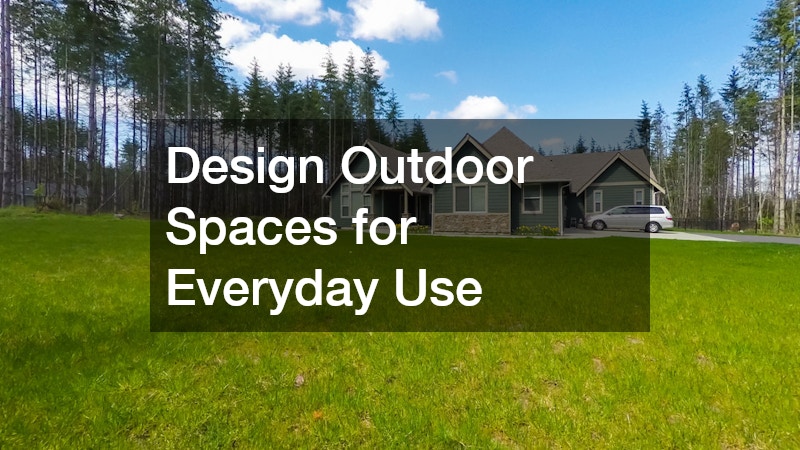
Design Outdoor Spaces for Everyday Use
An outdoor space should be used, not just admired. Plan outdoor rooms — dining, lounging, gardening, play — with the same care as interior rooms. Position decks and patios for sun and shade balance and make sure there’s easy access from the kitchen or main living room to support meals and flow.
Safety and privacy shape pool environments. Proper pool fencing and gate systems keep kids and pets safe; coordinate layout with local codes and design to keep sightlines open from primary living areas. If you’re planning a pool or renovating an existing one, look at reputable fences for pools options and integrate them into planting and hardscape to avoid awkward sightline or maintenance conflicts.
Outdoor kitchens, fire pits, and covered pergolas make yards usable across seasons. Choose materials that withstand weather exposure and require minimal maintenance, especially near wet pool decks or in climates with freeze-thaw cycles. Thoughtful landscape lighting extends usability after dark and improves safety.
Planting choices should consider mature size, maintenance demands, and water needs. Low-maintenance native species reduce irrigation and upkeep, while hedges or screen plantings provide year-round privacy.
Plan storage outdoors for tools and pool supplies so equipment doesn’t clutter the yard. A well-located shed or concealed storage bench simplifies maintenance and keeps outdoor living peaceful.
Balance hardscapes and softscapes — too much paving can create heat islands, while too much turf may increase upkeep. The right mix gives you a space that’s beautiful and genuinely livable.
Maintain Pools and Water Features Sensibly
Pools add enjoyment but require planning and ongoing care. Before installing or renovating, budget not only for the initial build but also for long-term mechanical systems, seasonal opening/closing costs, cleaning, and repairs. Choosing robust pumps, filtration, and automation reduces daily chores and extends equipment life.
Select pool surfacing and finishes that match your family’s use patterns. Low-maintenance finishes cut down on chemical balancing and resurfacing frequency. Good mechanical design puts pumps and controls in serviceable locations and provides easy access for technicians.
If you already own a pool, partner with reliable pool repair companies for preventive maintenance and timely fixes. Regular inspections for leaks, cracked tiles, and pump performance identify small problems before they become expensive.
Automation can simplify pool life — automated dosing, temperature control, and scheduling reduce daily oversight and often improve safety. Consider safety upgrades like automated covers and sensor-based alarms if small children or pets will be around the water.
Chemical handling and storage should follow local safety codes. If you plan to winterize or leave a pool idle seasonally, follow manufacturer and local guidance to prevent damage from freezing temperatures or biological growth.
Finally, integrate pool maintenance into broader landscape plans so drainage, plant debris, and runoff don’t compromise equipment or water quality.

Build a Yard That’s Beautiful and Sustainable
Smart landscape design improves home value and reduces upkeep. Begin by designing planting schemes based on microclimates — dry sunny slopes, shaded under-tree zones, and wetter depressions all have different needs. Native and drought-tolerant species reduce watering demands and often require less fertilization and pest control.
Create distinct landscape rooms: a family lawn, a pollinator bed, a vegetable patch, and a relaxed seating zone. This structure gives the yard purpose and reduces the temptation to over-plant everything in one place. Connect these areas with durable paths sized for the expected traffic — a single path for foot traffic, wider paths for deliveries or lawn equipment.
Consider irrigation strategies that match plant needs. Drip irrigation for beds and smart controllers tied to local weather data cut water use while keeping plants healthy. For routine upkeep, a dependable crew or plan makes a major difference; if you want to outsource, investigate reputable landscape maintenance services that provide seasonal care and pruning.
Soil health improves resilience. Compost and mulch retain moisture, reduce weeds, and make plants more drought-tolerant. Avoid over-fertilizing; healthy soils and right-plant-right-place choices reduce long-term chemical needs.
Design for wildlife where appropriate — hedgerows, native flowers, and small water features support birds and pollinators. A sustainable yard saves time, feels good to care for, and often looks better as it matures.
Prioritize Glass, Entry, and Water Systems for Longevity
Small systems often cause the biggest headaches: glass, doors, and water-management components perform quietly — until they don’t. Invest in quality glazing and doors to preserve energy efficiency and reduce drafts. For custom glass work or shower enclosures, partner with a trusted glass company to ensure exact-fit installations and durable hardware that’s serviceable over time.
Entry systems — from front doors to garage access — must balance security, weather resilience, and visual appeal. Choose thresholds and seals that stand up to your climate, and pick hardware rated for frequent use. Consider sidelights and transoms to bring daylight into entries while maintaining insulation.
Water systems like well pumps and pressure tanks are mission-critical in many homes. Siting, access for repairs, and easy-to-replace components reduce emergency-callouts and downtime. If you rely on a private well, schedule routine inspections and establish relationships with specialists in well pump maintenance services. Preventive maintenance avoids sudden failures and preserves water quality.
Finally, adopt a maintenance plan for these elements — scheduled glass seal checks, door hardware lubrication, and annual water system inspections — to protect the investment and avoid disruptive failures.
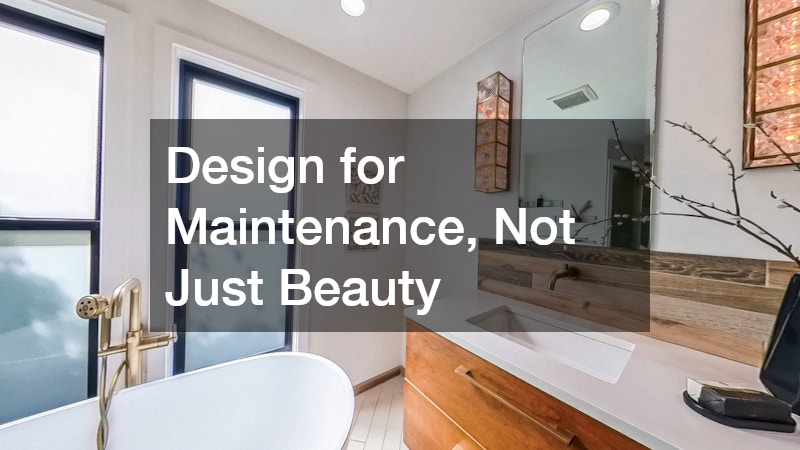
Design for Maintenance, Not Just Beauty
A beautiful home that constantly needs costly upkeep drains enjoyment. When choosing materials and systems, think about how much time you want to spend maintaining them. Low-porosity cladding, high-quality exterior paints, corrosion-resistant metals, and serviceable mechanical placement reduce long-term labor and expense.
Create easy access to service areas: mechanical rooms with clear pathways, panels that allow technicians to work without demolition, and outdoor equipment pads designed for replacement. Durable finishes in high-use areas — mudrooms, hallways, and family kitchens — minimize wear.
Set up a seasonal checklist: gutters cleaned in fall, HVAC service before winter, deck sealing on a schedule, and irrigation checks in spring. Create a home binder (digital or physical) that lists model numbers, service schedules, warranty dates, and recommended contractors.
When choosing partners for long-term care, check references and confirm the vendor’s service area and response times. For specialized systems like pools, wells, and glass features, rely on certified, local companies to avoid long delays and shipping complications.
Maintenance planning is an investment that protects both comfort and resale value. It makes living in a beautiful home sustainable and enjoyable for years to come.