The process of pouring a concrete driveway involves steps that ensure durability, appearance, and functionality. This article outlines key stages and common questions about pouring a concrete driveway. Proper preparation and timely execution play a crucial role in achieving a successful outcome.
What Preparation is Needed Before Pouring a Concrete Driveway?
1.1 Determining the Layout and Boundaries
The first step is determining the precise layout, involving planning the shape and dimensions using stakes and string. Clear boundaries prevent obstacles and help calculate material needs, ensuring effective use of space and vehicle accommodation. Consult with professionals or use design software to anticipate potential issues and plan drainage to prevent damage. Proper layout influences durability, preventing unnecessary costs and ensuring compliance with building codes.
1.2 Excavation and Site Preparation
Next is excavation and site preparation: removing grass, soil, and debris to a depth based on climate, soil, and use. Compact the soil to provide uniform support and prevent cracking. Leveling the ground facilitates even concrete pouring; a gravel or sand base improves drainage. Reinforcement materials and grading help direct water away from structures, preventing common issues like erosion.
1.3 Setting Forms for Concrete
Setting forms establishes the driveway’s boundaries and shape. Forms of wood or metal withstand poured concrete pressure. Stability is checked by aligning and anchoring them securely. Forms should allow for control joints to prevent cracking due to expansion. Proper formwork ensures a successful installation.
How is the Concrete Mixture Prepared and Poured?
2.1 Selecting the Right Concrete Mix
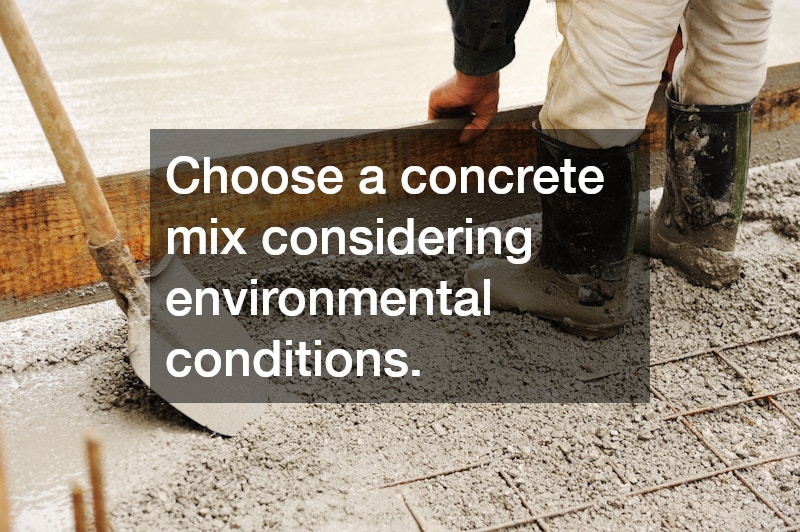
Choose a concrete mix considering environmental conditions. Mixes vary for different climates and usage needs. High-quality materials ensure the driveway withstands loads. Consistent concrete quality from reliable suppliers is key, alongside a proper balance in the mix’s composition for durability and appearance.
2.2 Mixing and Transporting Concrete
Concrete mixing combines cement, water, and aggregates in precise proportions, either on-site or from suppliers. Ready-mix offers consistency and quality control. Effective transport prevents setting delays, ensuring surface finishing proceeds smoothly. Managing temperature and humidity during transport maintains the mix’s characteristics.
2.3 Pouring and Spreading the Concrete
Poured concrete is distributed evenly to avoid handling issues. Vibratory equipment or manual tamping removes air pockets. Uniform spreading ensures depth consistency. Efficient teamwork ensures leveling and finishing before setting occurs.
What Techniques are Used to Finish the Concrete Surface?
3.1 Screeding the Concrete
Screeding ensures a smooth surface, removing excess and filling hollows. It’s essential for uniformity and must be done skillfully to maintain the driveway profile for proper drainage.
3.2 Floating and Troweling
Floating smooths and densifies the surface, followed by troweling for refinement and compaction, increasing durability and reducing porosity.
3.3 Adding Texture or Patterns
Texturing or stamping enhances aesthetics and traction, using tools like brooms or stamps. Proper timing during imprinting preserves structural integrity.
How is Curing Conducted to Ensure Durability?
4.1 Initial Curing Processes
Curing retains moisture and heat using coverings, crucial for strength development and preventing cracking. Proper environment control during initial curing enhances resilience.
4.2 Curing Time and Techniques
Curing typically lasts 7-14 days, adapted for the climate. Continuous moisture and temperature management ensure hydration and strength development.
4.3 Avoiding Common Curing Mistakes
Ensure appropriate moisture control and temperature effects awareness during curing to avoid weakening and prolong the driveway’s lifespan.
What Maintenance is Required for a Concrete Driveway?
5.1 Regular Cleaning and Sealing
Regular cleaning prevents stains and buildup. Annual sealing protects against water and chemical damage, maintaining aesthetics and structural integrity. Proper maintenance also helps to prolong the lifespan of the surfaces, saving you money on costly repairs.
5.2 Repairing Cracks and Damages
Address cracks promptly to prevent deterioration. Use fillers for small cracks or professional services for more extensive repairs. Regularly inspect surfaces to catch any new damage early, ensuring timely maintenance efforts.
5.3 Protective Measures Against Weather Conditions
Protection against temperature variants and weather involves ensuring proper drainage, suitable sealants, and restricting heavy vehicles during wet conditions.
Pouring a concrete driveway requires planning and execution. Properly following steps ensures a long-lasting, aesthetically appealing driveway. From layout planning, pouring, and finishing, to curing and maintenance, each phase ensures success, protecting investment and enhancing curb appeal. In addition, selecting the right mix of concrete can significantly influence the durability and appearance of the finished product.