
A major home transition is more than just packing boxes and changing addresses. Whether you’re relocating across town or preparing for a long-distance move, the process involves strategic planning, financial coordination, home preparation, and post-move adjustments. It requires balancing logistics with emotion, timelines with budgets, and short-term tasks with long-term goals. The weeks before and after a move are critical for protecting your investment, maintaining your property, and ensuring a smooth adjustment for your household.
From preparing your current home for sale to ensuring your new space is safe, efficient, and functional, knowing what to handle before and after the move can prevent costly surprises. Taking a proactive approach allows you to anticipate potential challenges instead of reacting to them. This guide walks you through the essential steps to take during each phase of your transition so you can move forward with confidence, clarity, and a solid plan in place.
Creating a Strategic Moving Plan

Assessing Your Timeline
Every successful transition begins with a realistic timeline. Ideally, you should begin planning at least six to eight weeks before your moving date. This gives you time to:
- Sort and declutter belongings
- Schedule service providers
- Gather packing supplies
- Coordinate utility transfers
A written checklist broken into weekly goals can prevent last-minute stress and missed deadlines.
Hiring Professional Support
One of the most important early decisions is whether to hire professional moving services or manage the relocation yourself. For large households, long-distance moves, or complex logistics, professional movers can:
- Safely transport heavy furniture
- Provide insurance coverage
- Offer packing assistance
- Reduce physical strain
Booking early ensures availability and often better pricing.
Budgeting for Hidden Costs
Moving expenses extend beyond transportation. Be sure to account for:
- Security deposits
- Utility setup fees
- Storage rentals
- Cleaning services
- Repairs at both properties
Setting aside a contingency fund of 10–15% can help cover unexpected expenses.
Organizing Documentation
Keep essential documents easily accessible during the transition:
- Mortgage or lease paperwork
- Home inspection reports
- Insurance policies
- Moving contracts
- Utility account numbers
A portable file organizer or digital folder can keep everything secure and accessible.
Preparing Your Current Home for Sale or Handover
Conducting Necessary Repairs
Before listing your property or finalizing a lease termination, inspect the home for needed repairs. Buyers and landlords will notice:
- Water stains
- Roof damage
- Foundation cracks
- Plumbing leaks
Addressing small issues early prevents negotiation setbacks later.
If you notice signs of roof wear or minor storm damage, scheduling local roofing repair can protect your home’s value and prevent inspection complications.
Improving Curb Appeal
First impressions matter. Exterior upgrades can dramatically increase perceived value:
- Power washing siding
- Cleaning windows
- Trimming landscaping
- Repairing gutters
Installing a gutter guard service system can be a worthwhile investment, as it reduces debris buildup and shows buyers the home is well-maintained.
Deep Cleaning the Property
A spotless home photographs better and leaves a lasting impression. Focus on:
- Carpets and flooring
- Baseboards and trim
- Kitchen appliances
- Bathrooms
Professional cleaning services can help if time is limited.
Final Walkthrough Preparation
Before handing over keys, complete a final inspection to ensure:
- Utilities are properly disconnected
- Trash is removed
- Personal items are cleared
- Agreed, repairs are completed
This prevents disputes and ensures a smooth closing process.
Protecting Against Water Damage Before You Leave
Inspecting the Basement
Basements are common problem areas during transitions, especially if a property sits vacant for weeks. Look for:
- Damp walls
- Musty odors
- Efflorescence
- Pooling water
If moisture issues are present, hiring a professional basement waterproofing service can prevent structural damage and mold growth.
Clearing Drainage Systems
Clogged drains can lead to backups during heavy rain or plumbing use. Scheduling a drain cleaning service before listing or vacating the property can help prevent:
- Sewer backups
- Slow drains
- Pipe damage
- Odor issues
This step is especially important for older homes.
Checking Outdoor Grading
Proper landscaping slope ensures water flows away from the foundation. Evaluate:
- Soil grading
- Downspout placement
- Driveway drainage
Correcting these issues can protect both your property and your buyer’s investment.
Monitoring Sump Pumps
If your home has a sump pump, confirm it is functioning properly before you leave. Test it and consider installing a battery backup if the property will remain unoccupied.
Preparing the New Home Before Moving In

Scheduling Inspections
Even if the home passed inspection during purchase, conduct your own pre-move review. Check:
- Plumbing fixtures
- Electrical outlets
- HVAC systems
- Window seals
Addressing issues before moving furniture inside simplifies repairs.
Improving Indoor Air Quality
If the home has been vacant, indoor air may be stale or dusty. Installing an air purification system can help remove:
- Allergens
- Dust particles
- Pet dander
- Lingering odors
This is especially helpful for households with children or respiratory sensitivities.
Addressing Insulation Needs
Energy efficiency should be evaluated early. Upgrading to spray foam insulation in attics or crawl spaces can:
- Reduce energy costs
- Improve temperature control
- Limit moisture intrusion
- Increase long-term home value
Making upgrades before furniture is moved in allows contractors easier access.
Changing Locks and Security Features
Always replace or rekey locks after purchasing a home. Additionally:
- Update garage codes
- Reset smart home systems
- Install motion lighting
This ensures full control over property access.
Updating and Enhancing Interior Spaces
Freshening Walls and Surfaces
Moving into a new space presents the perfect opportunity for aesthetic updates. Hiring a professional painting company before move-in can:
- Refresh worn walls
- Neutralize bold colors
- Increase resale value
- Improve overall atmosphere
Painting is significantly easier before furniture arrives.
Planning Kitchen Improvements
The kitchen is often the heart of the home. If upgrades are planned, scheduling countertop installation before move-in prevents disruptions later.
Popular materials include:
- Quartz
- Granite
- Butcher block
- Solid surface
Installing surfaces early avoids moving heavy appliances twice.
Updating Fixtures
Consider upgrading:
- Cabinet hardware
- Light fixtures
- Faucets
- Switch plates
Small changes can dramatically modernize a space.
Protecting Flooring During Move-In
Lay down protective coverings on hardwood or tile during move-in day to prevent scratches and dents from heavy furniture.
Securing the Exterior After Move-In
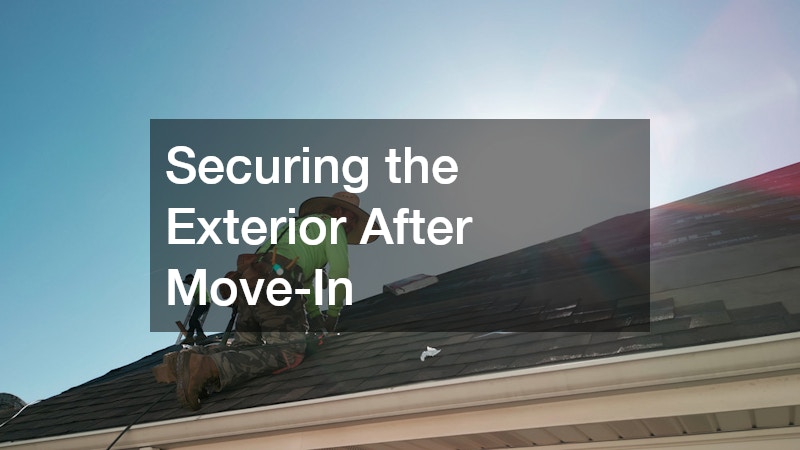
Inspecting the Roof and Gutters
Once you’ve settled into your new home, conduct a thorough exterior inspection. Even if everything appeared fine during closing, seasonal weather may reveal hidden concerns.
Look for:
- Missing shingles
- Loose flashing
- Sagging gutters
- Signs of pooling water
If issues arise, prompt local roofing repair can prevent small defects from turning into major leaks. Addressing these concerns early protects insulation, drywall, and structural framing.
Additionally, installing a gutter guard service system helps reduce maintenance and protects against water intrusion caused by clogged downspouts.
Checking Foundation and Drainage
Walk around the perimeter after heavy rain to evaluate water flow. Warning signs include:
- Water is collecting near the foundation
- Soil erosion
- Cracks in exterior walls
Improving drainage early prevents long-term structural damage.
Sealing Entry Points
Exterior gaps around doors, windows, and utility lines can allow moisture and pests to enter. Use caulk or weather stripping to seal openings and improve energy efficiency.
Reviewing Exterior Lighting
Proper lighting increases safety and security. Motion-sensor fixtures and pathway lighting improve visibility and deter unwanted visitors.
Preventing Pest Problems Early
Scheduling Preventative Treatments
New homes can harbor insects or rodents even if they appear clean. Booking preventative pest control services soon after move-in can:
- Eliminate existing infestations
- Prevent seasonal pests
- Protect insulation and wiring
- Safeguard food storage areas
Proactive treatment is often more affordable than addressing a full infestation later.
Inspecting Attics and Crawl Spaces
Before storing boxes in attics or basements, inspect these areas for:
- Droppings
- Chewed insulation
- Nesting materials
- Moisture buildup
If moisture is present, consider consulting a basement waterproofing service to reduce conditions that attract pests.
Managing Landscaping Risks
Overgrown shrubs and tree branches that touch your home create easy entry points for insects and rodents. Keep vegetation trimmed at least a few inches away from siding.
Maintaining Clean Storage Areas
Use sealed containers instead of cardboard boxes in garages or basements. This reduces the likelihood of attracting insects or rodents.
Coordinating Utilities and Essential Systems
Confirming Water and Drain Functionality
After moving in, test all plumbing fixtures thoroughly. Watch for:
- Slow-draining sinks
- Gurgling toilets
- Unpleasant odors
If you notice recurring drainage issues, a professional drain cleaning service can remove buildup and restore proper flow before larger plumbing problems develop.
Evaluating HVAC Performance
Your comfort depends heavily on HVAC efficiency. Replace filters immediately after moving in and schedule maintenance if necessary.
If indoor air feels dusty or stale, installing an air purification system can dramatically improve air quality and reduce allergens.
Checking Insulation and Energy Efficiency
Energy bills often reveal hidden inefficiencies. If heating and cooling costs seem unusually high, upgrading to spray foam insulation can improve energy performance and reduce drafts.
Evaluate attic insulation depth and check for air leaks around windows and doors.
Testing Smoke and Carbon Monoxide Detectors
Replace batteries and confirm all detectors function properly. This small step significantly improves household safety.
Planning Renovations and Long-Term Improvements
Prioritizing High-Impact Upgrades
After living in your new home for a few weeks, you’ll better understand which improvements matter most. Consider:
- Layout changes
- Storage solutions
- Flooring upgrades
- Kitchen enhancements
If remodeling is planned, scheduling countertop installation early in the process ensures kitchen work flows efficiently.
Refreshing Interior Spaces
A professional painting company can help modernize rooms that feel outdated or overly personalized by the previous owner. Neutral colors often create a clean foundation for décor.
Painting before fully unpacking makes the process faster and less disruptive.
Addressing Roofing and Exterior Projects
If inspection reports note minor roofing concerns, completing local roofing repair sooner rather than later prevents damage from worsening.
Exterior maintenance investments often protect your most valuable asset — the home itself.
Improving Water Management
If your new property has a history of water issues, investing in a gutter guard service system and evaluating drainage patterns can reduce maintenance headaches and prevent basement leaks.
Establishing a Maintenance Routine for the Future
Creating a Seasonal Checklist
Homeownership doesn’t end once the boxes are unpacked. Establish a seasonal maintenance calendar that includes:
- Roof inspections
- Gutter cleaning
- HVAC servicing
- Plumbing checks
Routine attention helps you avoid emergency repairs.
Monitoring for Moisture
Basements and crawl spaces should be inspected regularly for dampness. If you notice persistent moisture, consult a basement waterproofing service to address underlying issues before structural damage occurs.
Scheduling Annual Preventative Services
Preventative care often costs far less than emergency repairs. Annual services may include:
- Pest control services
- Plumbing maintenance
- HVAC inspections
- Exterior pressure washing
Planning these ahead of time keeps your home in peak condition.
Budgeting for Unexpected Repairs
Set aside a home maintenance fund. Experts often recommend saving 1–3% of your home’s value annually for upkeep. This ensures you’re prepared for:
- Appliance replacements
- Roof repairs
- Plumbing issues
- Structural maintenance
Staying Organized After the Move

Unpacking Strategically
Avoid the temptation to unpack everything at once. Focus first on:
- Bedrooms
- Bathrooms
- Kitchen essentials
Then gradually organize storage areas and décor.
Evaluating Storage Systems
As you unpack, assess whether shelving, closet organizers, or cabinetry upgrades are needed. Proper storage improves daily efficiency.
Keeping Important Documents Accessible
Update your records with your new address and store closing documents securely. Maintain digital backups for added security.
Reflecting on the Transition
Take time to review what worked well during your move and what you would adjust in the future. Document trusted contractors and service providers for long-term reference.
A major home transition is both an exciting milestone and a complex logistical undertaking. It often marks the beginning of a new chapter — whether that means more space, a better location, a growing family, or a fresh start. At the same time, it requires careful coordination of timelines, finances, property maintenance, and household needs. By planning thoughtfully before the move and taking proactive steps afterward, you can protect your investment, reduce unnecessary stress, and create a comfortable, secure environment for everyone under your roof. Small decisions made during this period — from handling repairs promptly to organizing essential systems — can have long-term financial and practical benefits.
Approaching the process with preparation, organization, and preventative care allows you to stay in control rather than feeling overwhelmed. A structured plan helps you anticipate potential issues, prioritize improvements, and maintain the condition of both your former and new home. When you treat a move not just as a relocation but as an opportunity to reset, upgrade, and safeguard your living space, you set the tone for stability and peace of mind. With the right strategy in place, your new chapter won’t just begin on solid ground — it will continue to thrive for years to come.